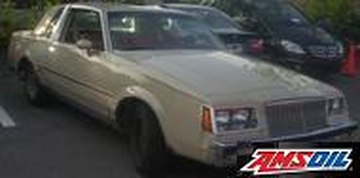
Lubrication Maintenance for the 1981 Buick REGAL 3.8L
Maintaining the engine lubrication system in a 1981 Buick REGAL with the 3.8L engine requires consistent attention to fluid condition and component integrity. As vehicles age, the methods used to monitor and preserve engine health become increasingly important for ensuring continued operation. Proper care involves not only regular oil changes but also a proactive approach to inspecting the various seals, hoses, and connections that support the lubrication process.
Monitoring Fluid Condition and Consumption
One of the most effective ways to monitor the health of the 3.8L engine is through regular observation of fluid levels and appearance. Changes in how the vehicle utilizes oil can be early indicators of shifting maintenance needs. Owners should periodically check the dipstick to ensure levels remain within the appropriate range between service intervals.
When inspecting the oil, pay attention to its color and consistency. While oil naturally darkens over time due to use, extreme discoloration or a gritty texture may warrant further investigation. Additionally, observing the area around the engine for any signs of fluid seepage can help identify aging gaskets or seals before they lead to significant loss. If you notice an unusual increase in how much oil the engine seems to use, it is advisable to investigate the cause, as this could be associated with various factors ranging from simple evaporation to more complex mechanical changes.
System Integrity and Component Inspections
A comprehensive approach to maintenance includes looking beyond just the oil itself. The components surrounding the engine block play a vital role in containing lubricants and maintaining system pressure. For a vehicle of this era, periodic visual inspections can help identify potential issues before they escalate.
- Gaskets and Seals: Inspect accessible gaskets and seals for signs of age-related seepage or leakage. Even small amounts of moisture around sealing surfaces should be noted.
- Hoses and Connections: If present, examine engine hoses for signs of cracking, softening, or bulging. Ensuring that connections remain tight and free of debris is essential for maintaining a stable environment.
- Drive Components: If equipped, inspect accessible drive belts for evidence of glazing, fraying, or surface cracking. A belt that shows significant wear may eventually affect the operation of engine accessories.
- Electrical Integrity: Check that wiring and electrical connectors near the engine remain secure and free from corrosion, as these components support various engine functions.
By combining these visual checks with regular fluid monitoring, an owner can develop a clearer understanding of the engine's current state and prioritize necessary service tasks.
Prioritizing Long-Term Engine Care
As a vehicle moves through different stages of its lifespan, maintenance priorities often shift from strictly following a schedule to managing the actual condition of the hardware. For the 1981 Buick REGAL, this means using the current physical state of the engine as the primary guide for service decisions.
If you are working with a vehicle that has an incomplete service history, establishing a maintenance baseline is a practical first step. This involves performing a thorough inspection of all fluids and visible mechanical components to determine what has been addressed and what requires immediate attention. Once a baseline is established, you can focus on addressing active leaks or signs of wear before moving toward more general preventive measures.
Keeping detailed records of every oil change, filter replacement, and observed leak is highly beneficial. These records allow you to track patterns—such as how quickly the oil darkens or whether a specific seal begins to seep—which provides much better data for making informed maintenance decisions than simply relying on the vehicle's age.
Understanding Lubricant Properties
The effectiveness of engine lubrication depends heavily on the chemical properties of the oil being used. Modern lubricant technology offers several different formulations, each designed with specific goals in mind. While the 1981 Buick REGAL was engineered during a different era of lubricant development, modern options can still be applied effectively if they match the application requirements.
For example, some high-mileage oil formulations contain additives intended for use in aging engines. These formulations may include seal-conditioning additives designed to help maintain the flexibility of various gaskets and seals. Other owners might consider different base oils, such as conventional, synthetic blends, or full synthetics, depending on their specific driving habits and how they wish to manage thermal stability and deposit control within the engine.
Regardless of the formulation chosen, ensuring the lubricant meets the appropriate API certification is a fundamental step in verifying that it provides the necessary protection for internal engine components. Always verify that any product you select is compatible with the specific requirements of your 3.8L engine as outlined in your vehicle's documentation.
Identifying Potential Warning Signs
While many maintenance tasks are proactive, some require a more reactive approach when certain symptoms arise. It is important to remember that many symptoms can have multiple causes and should be investigated rather than immediately diagnosed as a single component failure.
An unusual mechanical noise during startup or operation may indicate that lubrication is not reaching certain areas effectively. Similarly, if you notice any changes in the appearance of the exhaust, such as smoke that differs from normal operation, this warrants an inspection to determine why the engine might be consuming more lubricant than usual. Any sudden change in how the vehicle performs or any new warning indicators on the dashboard should be treated as a signal to perform a thorough check of all fluid levels and system pressures.
Buying Engine Oil for your 1981 Buick REGAL 3.8L
When you are ready to purchase new lubricant, the most important step is to match the oil to the application-specific information already displayed on this page. Because different engines have specific needs regarding thickness and additive packages, you should never rely on general knowledge or assumptions based solely on the vehicle's age.
Before completing your purchase, carefully check the product labeling to ensure the oil meets the necessary standards for your 3.8L engine. If you are considering high-mileage formulations due to the age of the vehicle, verify that they are appropriate for your specific engine configuration. Always prioritize the viscosity and service classifications listed in the application information provided above to ensure the best possible protection for your Buick REGAL.